
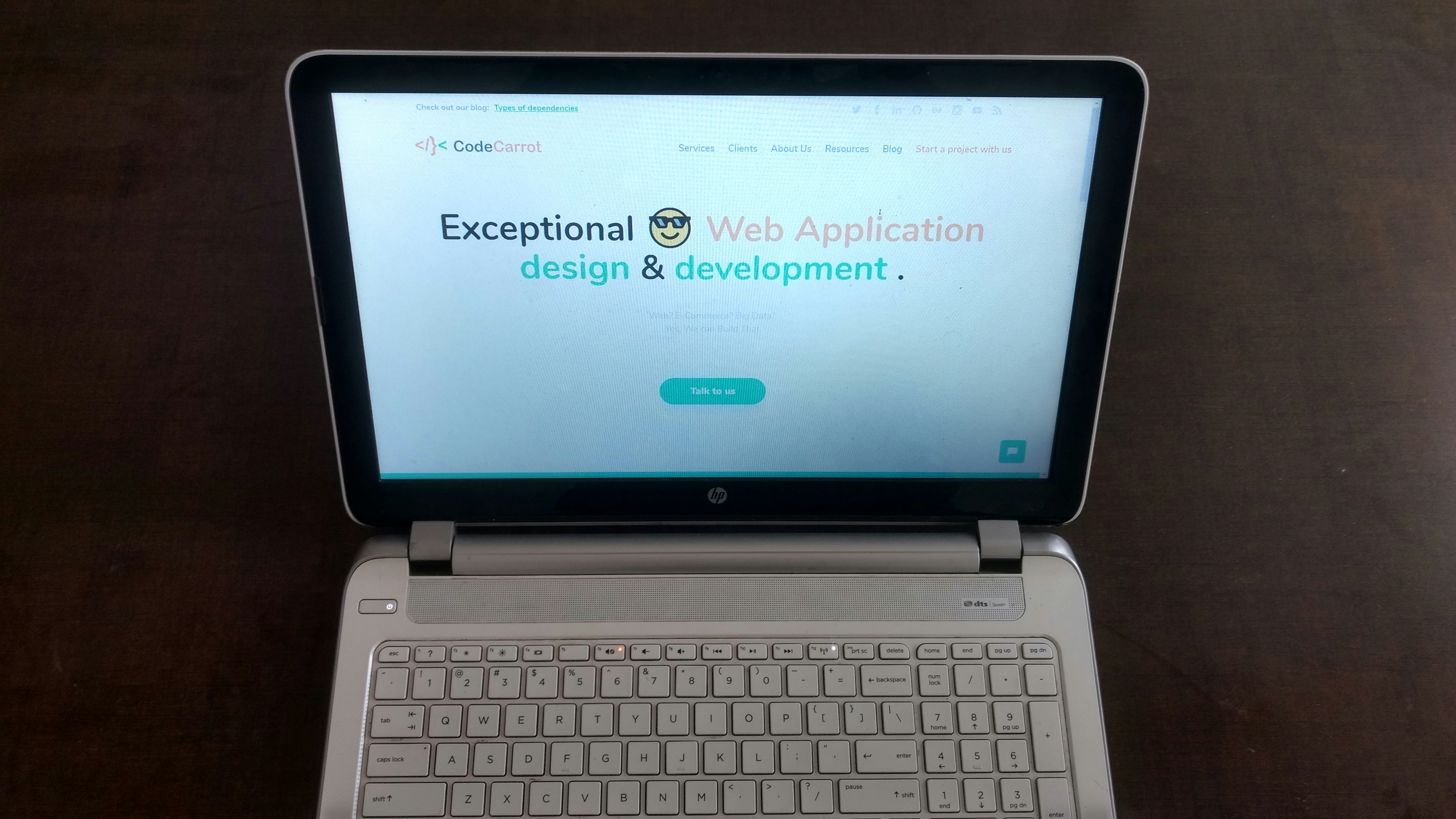
Introduction to Custom Software Development
Custom software development plays a pivotal role in the modern business landscape, providing tailored solutions specifically designed to meet an organization’s unique needs. Unlike off-the-shelf software, which is standardized and not customizable, custom software development allows businesses to create applications that are aligned with their specific workflows, goals, and operational requirements. This distinction is crucial, as it enables companies to enhance not only their performance and efficiency but also the overall user experience.
One of the primary advantages of custom software is its ability to adapt to the evolving requirements of a business. As organizations grow and change, their software must also be flexible enough to support new strategies and processes. In contrast, off-the-shelf solutions often require users to adjust their operations to fit the software’s capabilities, leading to potential inefficiencies or mismatches in expected functionality. With custom software development, businesses can implement features that directly correlate with their operational objectives, promoting streamlined workflows and improved productivity.
Furthermore, by investing in custom solutions, organizations can leverage business automation tools that are integrated seamlessly with their specific systems. This integration facilitates the optimization of various processes thus, allowing for automation where it is most beneficial. For example, a company can develop CRM software for business that aligns with its unique client engagement strategies, ensuring that all customer interactions are efficiently managed according to the specific demands of the organization.
Ultimately, custom software development represents a strategic investment in the future efficiency of a business. By leveraging tailored solutions, organizations gain not just a competitive edge but also the ability to adapt rapidly in a fast-paced market environment. This adaptability can be the key factor in achieving long-term success and sustainability.
Understanding CRM Software and Its Importance
Customer Relationship Management (CRM) software is a crucial tool in modern business operations, designed to enhance the management of customer interactions, streamline processes, and drive sales growth. By consolidating and organizing customer data, CRM systems facilitate improved communication and collaboration among teams, ensuring that customer engagements are not only effective but personalized.
The significance of CRM software for businesses extends beyond mere data storage. It enables organizations to analyze customer behavior and preferences, allowing for a tailored approach to service delivery. This capability not only fosters stronger customer relationships but also enhances customer satisfaction, as businesses can respond more effectively to customer needs. The implementation of CRM systems is closely associated with the advancement of business automation tools that further optimize various functions, such as marketing and sales.
With the rise of digital forms of communication, CRM systems have become even more vital. They offer a centralized platform that integrates different channels, providing businesses with a cohesive view of customer interactions. This holistic understanding is essential for crafting coherent marketing strategies and improving sales performance. Moreover, CRM software enables tracking of sales pipelines and forecasting, ultimately leading to better decision-making and resource allocation.
In essence, adopting CRM software for business translates to enhanced efficiency through streamlined operations and data-driven insights. Its strategic value lies in the ability to leverage customer data not just to enhance relationships but also to drive sales performance, positioning businesses competitively in a rapidly changing marketplace. The role of CRM in business automation is indispensable, making it an integral component for organizations aiming for operational excellence.
Benefits of Custom CRM Solutions
In today’s rapidly evolving business landscape, organizations increasingly recognize the value of custom CRM (Customer Relationship Management) solutions in enhancing operational efficiency. Unlike standard CRM options that offer a one-size-fits-all approach, custom CRM software is tailored to meet specific business requirements. This customization allows companies to address their unique processes and workflows, thereby optimizing user experience and enhancing productivity.
One of the key advantages of implementing custom CRM solutions is their ability to seamlessly integrate with existing systems. Businesses often utilize a range of software tools for various functions, such as marketing, sales, and customer support. With custom CRM software for business, integration with these existing platforms is designed from the ground up, reducing friction and enabling smoother data sharing. This interoperability fosters a unified view of customer interactions, contributing to more informed decision-making and enhanced customer service.
Moreover, custom CRM systems provide actionable insights by leveraging data analytics that are specifically relevant to the business. These insights can help organizations understand customer behavior, track engagement levels, and identify areas for improvement. By utilizing business automation tools, businesses can proactively manage customer relationships and maintain higher retention rates. The tailored nature of these solutions ensures that the generated insights are aligned with strategic objectives, ultimately translating into increased customer satisfaction.
In conclusion, the distinct benefits offered by custom CRM solutions—such as tailored features, seamless integration, and actionable insights—make them an essential investment for businesses aiming to improve their efficiency and foster stronger customer relationships in an increasingly competitive environment.
The Role of Automation Tools in Business Growth
Automation tools have emerged as pivotal components in fostering business growth by enhancing operational efficiency and effectiveness. These tools are designed to automate repetitive tasks, thereby allowing organizations to focus their resources on more strategic functions. By integrating automation into their workflows, businesses can significantly reduce manual labor, minimize errors, and expedite processes, which translates into increased productivity.
There are various types of automation tools, each tailored to address specific business needs. For instance, marketing automation platforms help companies streamline campaigns, manage customer interactions, and gather valuable data for analysis. These tools not only enhance customer relationship management (CRM) but also facilitate personalized communication, thereby improving customer engagement and retention.
In addition to marketing tools, there are business automation tools that focus on internal processes. Solutions such as project management software, workflow automation, and document management systems enable teams to collaborate efficiently and ensure that important tasks are completed on time. These tools often incorporate features like task assignment, deadline tracking, and real-time updates to keep all stakeholders informed and engaged.
Moreover, CRM software for business can be integrated with various automation tools to create a comprehensive ecosystem that supports customer interactions and sales strategies. The synergy between CRM software and automation tools allows businesses to harness data analytics for deeper insights into customer behavior, thereby facilitating informed decision-making and strategic planning.
In conclusion, the implementation of automation tools is essential for businesses seeking to grow in today’s competitive landscape. By embracing these technologies, organizations can improve efficiency, optimize resource allocation, and ultimately drive higher levels of performance.
Enhancing Customer Experience Through Automation
In the age of digital transformation, businesses are increasingly recognizing the importance of enhancing customer experience through automation tools. These tools streamline processes, improve efficiency, and facilitate better communication with clients, ultimately leading to greater customer satisfaction and loyalty.
One significant application of business automation tools is in customer relationship management (CRM) software for business. Such platforms automate various tasks, including communication, data management, and customer feedback collection. By automating these processes, businesses can respond to customer inquiries more promptly and maintain accurate records of interactions. This heightened responsiveness not only increases efficiency but also fosters a more personalized experience for customers.
Moreover, automation tools can enhance service quality through intelligent routing and resource allocation. For instance, automated systems can triage customer requests based on urgency or complexity, ensuring that the right department addresses the issue quickly. This level of organization reduces wait times and reinforces a sense of care and commitment to the customer’s needs.
Another aspect of enhancing customer experience involves the seamless integration of various communication channels. Automation tools can facilitate omnichannel support, allowing customers to interact through their preferred platforms—be it social media, email, or chat applications. By maintaining consistent messaging across channels, businesses can create a unified experience, fostering customer trust and loyalty.
Additionally, feedback loops established through automated surveys can help businesses better understand their customer base. By analyzing responses, companies can pinpoint areas for improvement, adapt their strategies accordingly, and enhance overall service quality. In summary, utilizing automation tools in custom software development can significantly improve the customer experience, ultimately leading to increased satisfaction and loyalty in a competitive market.
Case Studies: Success Stories in Custom Software and Automation
In the realm of business, the integration of custom software development and automation tools has emerged as a transformative solution for many organizations. One notable case is that of a large retail chain that faced challenges in managing inventory efficiently. Prior to implementing a custom software development solution, the company struggled with stock inaccuracies, leading to overstock situations and missed sales opportunities. By adopting a tailored inventory management system, the business automated their stock control processes. This resulted in a significant reduction in excess inventory and improved sales forecasting, ultimately enhancing overall business performance.
Another compelling example is a healthcare provider that implemented CRM software for business to streamline patient management. Before the software was introduced, their patient follow-up processes were manual and inconsistent, leading to gaps in patient care. The custom CRM solution allowed for automated reminders and follow-up schedules, ensuring that no patient was overlooked. This not only improved patient satisfaction rates but also contributed to a more structured approach in managing care, proving that business automation tools can significantly enhance service delivery in healthcare.
Furthermore, a logistics company successfully employed custom software development to optimize their route planning processes. Faced with increasing transportation costs and delays, the business turned to a personalized software solution that utilized real-time data analytics to assess traffic patterns and delivery schedules. The result was a marked decrease in fuel costs and more timely deliveries, showcasing the direct benefits of automation tools in enhancing operational efficiency.
These case studies reflect the growing trend of businesses recognizing the value of custom software and automation. By overcoming initial challenges and adopting tailored solutions, organizations can reap considerable rewards, including improved efficiency, customer satisfaction, and ultimately, better bottom-line results.
Choosing the Right Custom Software Development Partner
Selecting an appropriate custom software development partner is crucial for organizations aiming to enhance their operational effectiveness through tailored solutions. Numerous factors must be considered to ensure successful collaboration and the delivery of high-quality services. One key consideration is the expertise and experience of the partner in custom software development. It is essential to evaluate their portfolio and client testimonies to assess their capability in delivering projects similar to yours.
Another significant factor is the technology stack employed by the development partner. A company proficient in modern technologies and frameworks ensures that the software is scalable, secure, and able to integrate with existing systems, such as various CRM software for business. This ability is vital, particularly in an era where seamless integration of business automation tools can significantly enhance operational workflows.
Effective communication practices are equally important when choosing a custom software development partner. Ensure that the partner values transparency and maintains open lines of engagement throughout the development process. This facilitates timely updates, feedback, and adjustments, thus promoting a collaborative environment. Additionally, consider the partner’s approach to post-launch support. Reliable ongoing support is essential to address any issues that may arise after the software is implemented and to assist with continuous enhancements.
Finally, ensuring alignment of vision and goals between your business and the software development partner promotes lasting cooperation. Conduct thorough interviews and discussions to ascertain that both parties are committed to a shared objective: the creation of software solutions that facilitate improved efficiency and growth.
Future Trends in Custom Software and CRM Solutions
As businesses continue to evolve, the demand for innovative custom software development and CRM solutions has become increasingly prominent. One of the most significant trends shaping this sector is the incorporation of machine learning and artificial intelligence. These technologies empower businesses to analyze customer data with unparalleled efficiency, allowing for data-driven decision-making on an unprecedented scale. Automated algorithms can process vast amounts of information, recognizing patterns and predicting future behaviors, thereby enabling companies to tailor their services to meet individual customer needs.
Furthermore, the integration of these advanced technologies into business automation tools is revolutionizing customer engagement strategies. For instance, AI-driven chatbots are becoming standard components of CRM software for business, providing immediate customer support and freeing up human resources for more complex tasks. These tools not only enhance customer satisfaction through quicker response times but also improve operational efficiency, driving a seamless experience for users.
Another emerging trend in the realm of custom software development is the integration of the Internet of Things (IoT). With connected devices proliferating in various sectors, organizations can gather real-time data from multiple sources. This influx of information enriches the functionality of CRM solutions, enabling businesses to perform detailed analyses and make informed decisions that can lead to increased customer loyalty and revenue growth. The fusion of IoT with business automation tools facilitates a more holistic understanding of customer interactions and preferences.
As these trends continue to shape the future landscape of business efficiency, companies are encouraged to invest in customized software solutions that harness the capabilities of AI, machine learning, and IoT. By doing so, they position themselves at the forefront of operational excellence and enhanced customer engagement.
Conclusion: The Path Forward for Businesses
As businesses navigate an increasingly competitive landscape, the integration of advanced technologies becomes essential. Custom software development plays a crucial role in tailoring solutions that meet specific business needs, ensuring greater efficiency and effectiveness in operations. By implementing CRM software for business, organizations can enhance their customer interactions and drive loyalty by refining how customer data is managed and utilized.
Moreover, the adoption of business automation tools significantly streamlines processes that were once time-consuming and prone to error. Automation not only saves time but also allows employees to focus on strategic initiatives that foster growth and innovation. By leveraging these technologies, businesses can reduce operational costs, improve accuracy, and increase overall productivity.
It is vital for businesses to recognize the benefits of such tailored solutions. Embracing custom software development, along with the deployment of effective CRM solutions and automation tools, presents an opportunity to enhance market competitiveness. Companies are encouraged to assess their current strategies and consider how custom solutions can address their unique challenges.
In light of the advancements that technology offers, it is clear that the path forward for businesses lies in embracing custom approaches to solve business challenges. By integrating tailored software solutions and automation into their operations, businesses can not only achieve operational efficiency but also create an adaptable framework for future growth.